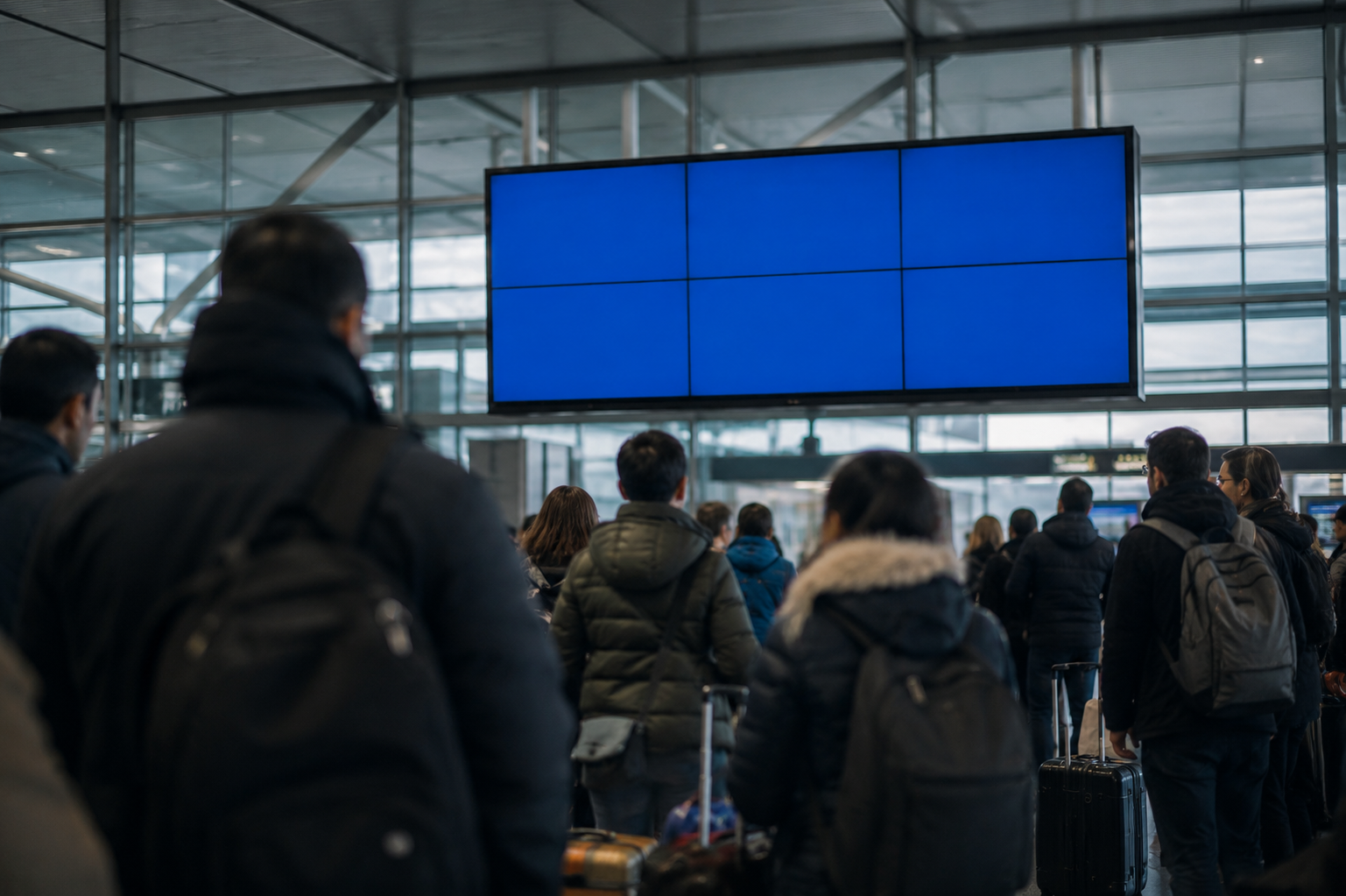
What happened
CrowdStrike's Falcon sensor runs at the kernel level of Windows. That gives endpoint security software deep visibility and control, but it also means failures can become catastrophic rather than cosmetic.
The company ships different types of updates. Sensor Content is the heavily tested core code. Rapid Response Content is lighter configuration used for behavioral pattern matching. Channel File 291 was one of these rapid content updates.
The capability behind that channel file had been live and behaving normally since earlier in the year. Earlier updates had gone to production successfully, so the July push did not look unusual. That familiarity became part of the risk.
The defect was a mismatch between how many inputs the system expected and how many it received. The new template type defined 21 input parameter fields, but the integration code supplied only 20 values. When the sensor reached for the missing 21st value, it read invalid memory. That out-of-bounds read triggered the blue screen of death on affected Windows machines.
Rebooting did not solve the problem. The sensor would start again, load the bad file again, and crash again. Many machines were trapped in a boot loop that required manual recovery device by device.
The most painful detail is that this should have been caught before release. A validation step existed, but it approved the faulty file anyway. The safety net had a hole in exactly the shape of the thing it was supposed to catch.
The damage
The cost was never just downtime. It was the recovery effort, the emergency communication, the operational disruption, the regulatory attention, and the slow erosion of trust in software that is supposed to run quietly in the background.
More than 3,300 flights were cancelled globally on the first day. Hospitals cancelled non-urgent surgeries, procedures, and medical visits. Banks, payment systems, broadcasters, transport networks, and public services were disrupted around the world.
Months later, Delta Air Lines sued CrowdStrike over an outage it said cost the airline roughly $500 million. CrowdStrike countersued, blaming Delta's own recovery process. That legal aftermath matters because it shows how long the cost of a bad release can continue after systems come back online.
The financial damage from a production failure does not stop when the incident ends. It continues through legal exposure, contract renegotiations, lost renewals, reputation damage, and customers who quietly choose a competitor next time.
How QA would have prevented this
A focused QA process would have treated this as a high-blast-radius change, not as a routine content update.
First, the dangerous edge needed to be tested. The bug was a boundary condition: one missing input value. Boundary testing, negative testing, and contract validation exist precisely to catch cases where the data shape does not match what the system expects.
Second, the release path itself needed to be tested as a system. The failure was not only inside one file. It happened in the interaction between a configuration update, a validator, and the software that interpreted it. QA should verify the safety net too, not just the feature.
Third, the update should have rolled out in stages. A canary deployment to a small group of machines would likely have turned a global outage into a contained incident. Staged rollout is one of the cheapest ways to reduce blast radius, and it is available to teams of any size.
Fourth, rollback needed to be tested. The boot loop made recovery slow and manual. A rehearsed rollback path is the difference between a contained incident and a multi-day operational crisis.
Your product does not need to run on 8.5 million machines for this pattern to cost you. Most expensive bugs start as ordinary assumptions about paths everyone trusted because they had always worked before.
Before you ship, the flows worth proving are the ones that move money, create accounts, change data, control access, or carry user trust. Those are the paths that fail expensively.